Focus on contamination
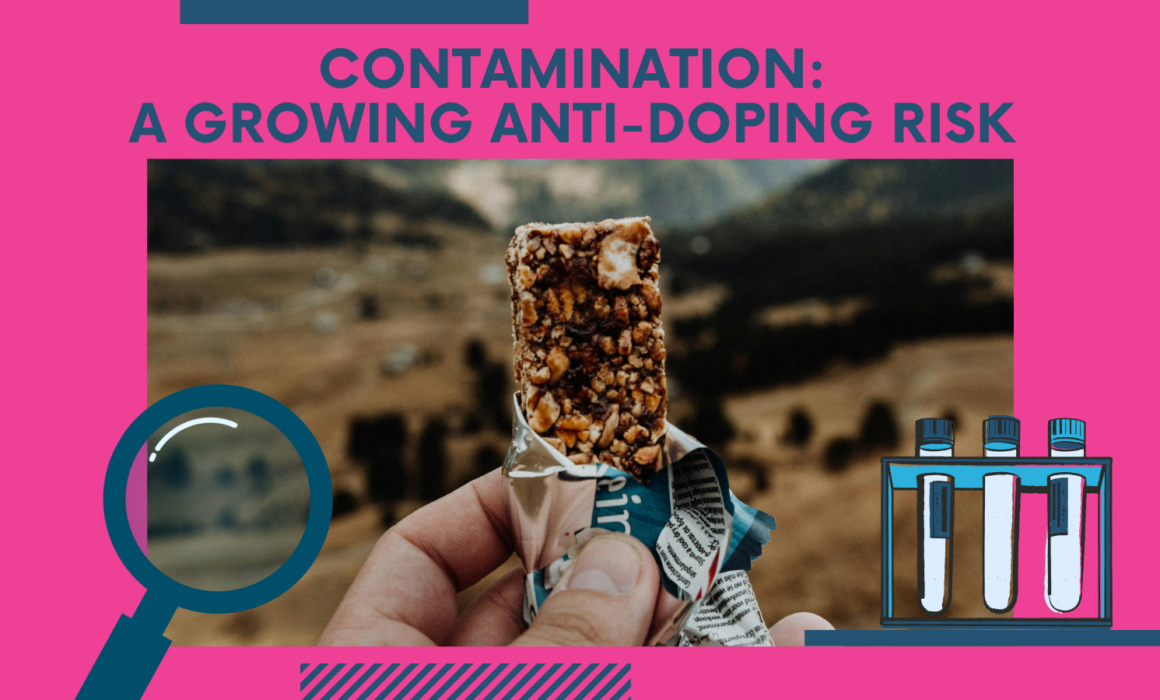
Contamination that results in Adverse Analytical Findings (AAFs), with the risk of such findings leading to sanctions for Anti-Doping Rule Violations (ADRVs), is becoming more common in sports.
Traditionally, food supplements were often blamed for contamination, but as methods of analysis become increasingly sophisticated and sensitive, there is a greater likelihood that contamination can be traced to other sources.
Recognising the increasing risk of athletes becoming victims of contamination, a World Anti-Doping Agency working group is conducting a global review of sources of contamination that can lead to AAFs.
The group was formed in the wake of the now-notorious case of 28 positive tests for Trimetazidine involving 23 Chinese swimmers that occurred between 1 and 3 January 2021.
More information on the working group can be found here.
Following WADA’s initiative, the BIU will focus on raising awareness of the risks of contamination among athletes and their entourages during 2026.
Contamination risks
WADA’s World Anti-Doping Code for 2027 will contain a new definition of an unforeseeable source of a Prohibited Substance, referring to a ‘contaminated source’ instead of a ‘contaminated product’.
Sources of contamination can include:
· Dietary supplements
· Medication and medical treatments (prohibited substance not listed on the label or easily detectable through basic research, such as diuretics in painkillers)
· Food and drink (meat or water consumed without prior warning of contamination) and kitchen utensils
· CBD (Cannabidiol), vape pens and cannabis products
· Physical contact with another person, including intimate or skin contact (massage, sunscreen application etc)
· Medical treatment of pets
· Sports equipment
· Sabotage
· Environmental contamination.
Athletes are responsible for anything that goes in their eyes, ears, mouth, nose, or skin, so it’s a good habit to start checking all products for prohibited ingredients.
Dietary supplements
While it’s true that certain supplements can be beneficial in cases of deficiencies, athletes regularly overestimate the benefits and safety of using supplements.
Supplements are regulated in a post-market fashion, meaning that no regulatory body approves the accuracy of the label or safety of the contents before they are sold to consumers. This means that they can potentially contain banned substances, even if they aren’t listed on the label. They’re also at risk of cross-contamination.
Dietary supplement contamination risks can be mitigated by:
· Avoiding supplements completely
· Adopting a ‘Food First’ approach
· Consulting with a specialist
· Basic research on a product
· Avoiding boosters, pro-hormones and fat burners
· Checking ingredients (through Global DRO etc)
· Using tested products
· Buying from trusted sources
· Keeping a small amount of the product.
Medication and medical treatments
Common medications can contain some of the 300+ banned substances on WADA’s Prohibited List.
Athletes can check medications they’re taking on the Global Drug Reference Online (Global DRO) website and/or in Medication Checklists provided by National Anti-Doping Agencies. These Databases identify the prohibited and permitted status of substances based on the WADA’s Prohibited List, which is a rigorous global standard and a great way for athletes to learn where to exercise caution.
Food and drink
Athletes should take care to observe warnings about food, such as those concerning meat and meat products sourced from China, Mexico and Guatemala.
Additionally, food contamination risks can be mitigated by:
· Using official refreshment stations
· Dining in larger groups
· Avoiding street restaurants
· Avoiding shared kitchen appliances (instruct roommates)
· Avoiding tea and herbal blends (coca leaves, ma-huang, etc).
The BIU will continue to provide information on sources of contamination throughout the coming year, as part of its mission to help athletes avoid becoming victims of accidental or inadvertent doping.
We wish all athletes and support staff a happy, successful, safe and fair New Year.